


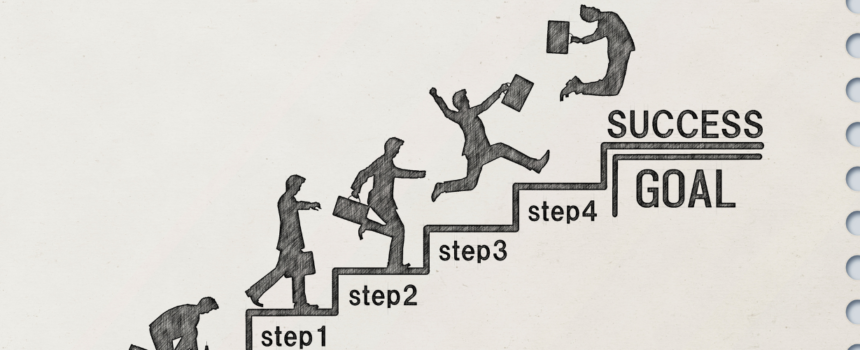
In sales, we understand one fundamental truth: there is no skipping steps.
You can’t jump from a first conversation straight to closing a deal. Every stage—building trust, understanding needs, presenting solutions—matters. If one step is weak, the entire process suffers. Like a clockwork – if one small tool doesn’t work precisely, the whole time measuring gets out of control, and we lose track.
Longevity works the same way.
It is not about following a single protocol or chasing the latest trend. Longevity is a system built on multiple interconnected pillars—sleep, nutrition, exercise, and mental/emotional health. And just like in sales, each step must be properly completed before moving into the next to make the system work and succeed.
In my last article, I focused on one of the most underestimated yet powerful pillars: sleep.
Sleep: The Foundation of Performance
Sleep is not just rest—it is biological recovery, mental reset, and performance optimization.
When we deprioritize sleep, we don’t just feel tired. We trigger a chain reaction:
- Poor sleep → increased hunger and cravings
- Worse nutrition → less energy
- Less energy → reduced motivation to move
- Reduced movement → lower resilience and performance
Before you know it, you’re working against your own system instead of with it. And as a result, you have to do a complete reset, and other parts of your body start to function improperly.
The good news? Fixing sleep doesn’t require a complete life overhaul. If you break it down into small, achievable steps every day, the performance boost that follows will make you more competitive than you thought.
Important is to decide on a goal, break it down in small steps – bottom up – until you reach your final goal. Like in a sales process
A Real-Life Sales Scenario
Imagine a high-performing salesperson with a packed schedule:
Back-to-back client calls, travel, late emails, constant pressure to deliver.
Instead of ending the day reactively—scrolling on the phone, answering “just one more email,” or eating late—they implement a simple wind-down routine:
- 6:00 PM – Light dinner
- 6:30 PM – Short walk to support digestion
- 9:00 PM – Screens off
- 9:00–10:00 PM – Reading, listening to music or an audiobook, or having a meaningful conversation with a partner
- 10:00 PM – Consistent bedtime
This isn’t complicated. But it’s intentional and consistent. And CONSISTENCY is what counts, every step of the way.
Lowering Your Resting Heart Rate
Biohacker Brian Johnson emphasizes a powerful concept:
Lower your resting heart rate (RHR), and you improve your sleep—and your willpower.
Why does this matter?
A lower resting heart rate means:
- Your heart is more efficient
- Your body is in a calmer, more recovered state
- You enter deeper, more restorative sleep
And better sleep directly impacts:
- Decision-making
- Emotional regulation
- Discipline and consistency (critical in sales)
What This Looks Like in Daily Life
If your target bedtime is 10 PM:
- Eat your last meal at 6 PM
- Avoid any late-night snacking
- Allow your body to digest fully before sleep
Why this works:
When your body is still digesting, your heart rate and body temperature stay elevated. This prevents deep sleep. By finishing meals earlier, your system can shift into a parasympathetic (“rest and digest”) state, allowing true recovery.
Simple Protocol to Improve Sleep & Lower RHR
You don’t need to do everything at once. Start small and build momentum.
1. Consistency is key
Go to bed at the same time every night.
2. Time your meals
Finish eating at least 4 hours before bed.
3. Move after dinner
A light walk supports digestion and stabilizes glucose levels.
4. Create a wind-down routine (60 minutes before bed)
- No screens
- Dim lighting (avoid blue light)
- Calm activities like reading or listening to music
5. Manage stimulants
Avoid caffeine after midday.
6. Be mindful of exercise timing
Intense workouts should happen at least 6 hours before sleep.
The Compounding Effect
Lowering your resting heart rate— by 10% within a month—can create a powerful feedback loop:
Better sleep → stronger willpower → better habits → improved health → even better sleep
And in sales terms?
This is your competitive advantage!
Easy, Healthy Dinner Ideas for Busy Sales Professionals
Last, but not least, I would like to give you some suggestions for easy-to-make and ready-to-enjoy dinner recipes that even as a busy salesperson, you can accomplish.
Grilled Salmon + Steamed Vegetables
- Salmon (healthy fats for recovery)
- Broccoli or asparagus
- Olive oil + lemon
Chicken & Quinoa Bowl
- Grilled chicken
- Quinoa
- Mixed greens
- Avocado
Veggie Omelette
- Eggs
- Spinach, mushrooms, tomatoes
- Side of whole-grain toast
Greek Yogurt Bowl
- Greek yogurt
- Berries
- Nuts
- Drizzle of honey
Simple Stir-Fry
- Lean protein (chicken, tofu, shrimp)
- Mixed vegetables
- Light soy or teriyaki sauce
All of these can be prepared quickly, are easy to digest, and support better sleep.
Final Thought
In sales, we respect the process.
In longevity, we must do the same.
Sleep is not a luxury—it’s a performance tool.
And when you start treating it as a non-negotiable pillar, everything else—energy, focus, discipline, results—begins to rise with it.
Because real success, in sales and in life, is never built on a single action.
It’s built on a system that works—consistently.
And just as longevity transforms your life and performance through a structured, long-term approach, Coevera (formerly PipelineSales) transforms sales in the same way. By focusing on sustainable processes, long-term results, and true partnership, Coevera enables sales professionals and organizations to perform at their best—not just today, but consistently over time.




Comments